Minds Behind the Machines: Thomas Edison
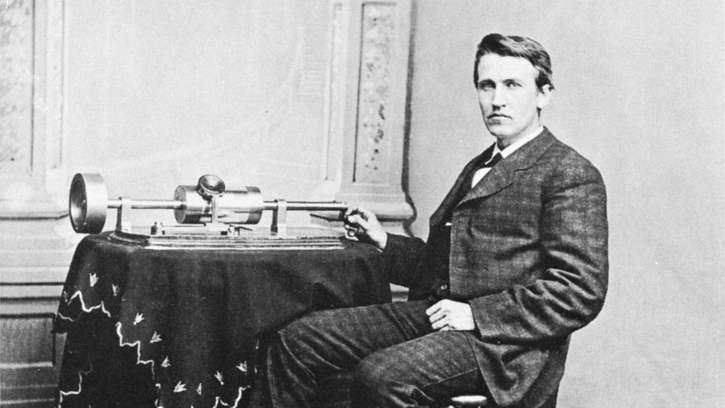
Thomas Edison: The Mind Behind the Machine
How One Man’s Electric Vision Sparked the Modern Manufacturing Age
In the pantheon of industrial visionaries, few names stand as tall as Thomas Edison—inventor, entrepreneur, and one of the original Minds Behind the Machine. His brilliance didn’t just illuminate homes; it ignited the transformation of entire industries. Before Edison, factories were dim, dangerous, and bound to natural forces like water and steam. After Edison, they became the beating heart of modern civilization—bright, efficient, and electrified.
Edison didn’t invent electricity, but he did something far more profound: he made it practical. Through relentless experimentation and a staggering output of ideas, Edison and his team at Menlo Park developed not only the electric light bulb, but also the first power generation and distribution system—a network that could bring light and energy to factories, offices, and homes.
When he flipped the switch on his Pearl Street power station in New York City in 1882, Edison didn’t just illuminate a few city blocks—he changed the course of manufacturing forever. The ability to harness and distribute electricity marked the dawn of the electrified industrial age, laying the foundation for everything from assembly lines to automation.
Here are five powerful ways Edison’s electric vision transformed the manufacturing industry, setting in motion a century of progress that continues to evolve today.
Electricity Freed Factories from Geography
Before electricity, manufacturing was a prisoner of its environment. Factories clustered near rivers to power water wheels or near coal supplies to feed steam engines. Production was dictated by nature’s limitations.
Edison’s electric power system broke those chains. For the first time, factories could be built anywhere power lines reached—in cities, near labor pools, or close to transportation hubs. This flexibility reshaped industrial geography, fueling rapid urbanization and the rise of America’s great manufacturing centers.
Electricity decentralized power production and gave industries unprecedented freedom to expand. In short, Edison didn’t just bring light to factories—he gave them mobility and independence.
Machines Became Faster, Stronger, and Smarter
Steam was powerful but imprecise. It required large boilers, constant monitoring, and produced inconsistent mechanical energy. Electric motors, on the other hand, delivered steady, controllable power that could be easily distributed to individual machines.
This breakthrough meant manufacturers could power each tool independently, optimizing workflows and improving reliability. Production became faster, cleaner, and far more efficient. The transition from steam belts to electric drives laid the groundwork for the assembly line, transforming how products—from automobiles to textiles—were made.
For the first time, precision met power. And that union defined the 20th-century factory.
Safer, Brighter Workplaces Emerged
Edison’s light bulb didn’t just chase away the dark—it chased away danger. Before electric lighting, factories relied on open flames, oil lamps, or gaslights, all of which posed significant fire hazards. Poor lighting also contributed to workplace injuries and limited production to daylight hours.
Electric lighting extended the workday safely and increased productivity. Factories could now operate around the clock, supporting higher output and new shift-based work models. Workers benefited from cleaner air, improved visibility, and reduced risk of fire.
What began as a simple desire to replace the candle became the foundation for the 24-hour industrial economy—a world where manufacturing never sleeps.
Innovation Became the New Engine of Industry
Electricity didn’t just power machines—it powered imagination. Once factories were electrified, engineers and inventors gained the freedom to create entirely new kinds of tools and processes.
Electric drills, presses, welders, and conveyor belts became commonplace. Automation began to take root, evolving from rudimentary electric controls to the complex robotics and AI-driven systems of today. Each new generation of manufacturing technology owes its existence to Edison’s decision to make electricity both accessible and adaptable.
By standardizing power distribution and encouraging experimentation, Edison established a culture of continuous improvement—the same mindset that drives Industry 4.0 innovations like smart sensors, digital twins, and predictive maintenance.
The Blueprint for Modern Industry Was Born
Edison’s genius wasn’t limited to inventing the light bulb or the phonograph. His true mastery lay in understanding that innovation must be systemic. It wasn’t enough to create a device; you had to build the infrastructure to support it.
That’s exactly what Edison did with electricity. He developed not only the generators and meters but also the entire ecosystem—distribution networks, switches, and safety systems—that made large-scale industrial power possible.
That model of thinking—building technology and the system that sustains it—became the template for modern manufacturing. Today’s factories rely on similar principles: integrated systems where hardware, software, and energy flow work seamlessly together. In that sense, Edison didn’t just invent electricity—he invented the framework for industrial innovation itself.
A Legacy That Still Powers Progress
Thomas Edison’s impact on manufacturing cannot be overstated. His electric vision took humanity from the age of steam to the age of automation, from isolated workshops to global supply chains. Every flickering light on a factory control panel, every hum of a conveyor motor, every spark of a robotic welder traces back to his foundational work.
Edison proved that innovation isn’t just about creating something new—it’s about creating something transformative. He was, and remains, one of the original Minds Behind the Machine—a thinker who didn’t just build inventions, but built the future.
As industries continue to evolve toward sustainability, smart grids, and digital manufacturing, Edison’s legacy endures in every watt of power that drives progress. His story reminds us that behind every great machine stands a greater mind—and that the light he sparked in 1882 still illuminates the path forward today.